Page 35 - RSE - Results of the Apollon Project
P. 35
Results of the APolloN PRoject ANd coNceNtRAtiNg PhotovoltAic PeRsPective
the conical secondary collector. Indoor tests have been performed using an optical bench in the ENEA laboratories
generating a light beam having the same angular divergence of the sun. The maximum lens effciency measured
was about 82% with an acceptance angle of ±0,9°; also, a good power density uniformity on the target was achieved
(see Figure 31).
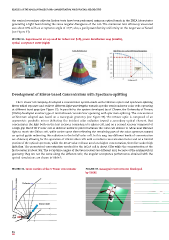
FiguRE 31. Experimental set-up used for indoor test (left), power distribution map (middle),
34 Results of the APOLLON project and Concentrating Photovoltaic perspective
optical acceptance curve (right)
development of Mirror-based Concentrators with Spectrum-splitting
Figure 31. Experimental set-up used for the indoor test (left), power distribution map (middle), optical acceptance
curve (right)
The C-Power Srl company developed a concentrator system made with refective optics and spectrum-splitting
flters which separate and redirect different light wavelengths towards specifc semiconductor solar cells operating
at different band gaps (see Figure 32). In parallel to the system developed by of CPower, the University of Ferrara
4.2.2 Development of mirror based concentrators with spectrum
(UniFe) developed another type of mirror-based concentrator operating with spectrum-splitting. The concentrator
splitting. architecture adopted was based on a Cassegrain geometry (see Figure 33). The CPower optic is composed of an
asymmetric parabolic mirror defecting the incident solar radiation toward a secondary optical element that
The C-Power Srl company developed a concentrator system realized with
concentrates the light both on the frst receiver, consisting of a silicon cell, and on a second receiver composed of
a high gap InGaP III-V solar cell. A dichroic mirror is placed between the solar cell devices to allow near-infrared
reflective optics and spectrum splitting filters which separates and
light to reach the Silicon cell, while at the same time refecting the remaining part of the solar spectrum toward
redirects different light wavelengths towards specific semiconductors
an optical guide redirecting this radiation to the InGaP solar cell. In this way, two different levels of concentration
solar cells operating at different band-gaps (see Figure 32). In parallel to
are obtained, allowing for the operation of silicon solar cells with a medium concentration factor and on a limited
the system developed by of CPower, the University of Ferrara (UniFe)
portion of the optical spectrum, while the InGaP solar cell was used at a higher concentration, therefore under high
developed another type of mirror based concentrator operating with
light fux. The geometrical concentration reached for the InGaP cell is about 620x while the concentration at the
frst receiver is about 40x. The acceptance angles of the two receivers are different and, because of the asymmetrical
spectrum splitting. The adopted concentrator architecture was based on
geometry, they are not the same along the different axis; the angular acceptance performance obtained with the
a Cassegrain geometry (see Figure 33). CPower optic is composed by an
optical simulations are shown in Table 5.
asymmetric parabolic mirror deflecting the incident solar radiation
toward a secondary optical element that concentrates the light both on
the first receiver, consisting on a silicon cell, and on a second receiver Figure 32. Cross section of the C-Power
FiguRE 33. Cassegrain Concentrator developed
FiguRE 32. Cross section of the C-Power concentrator
concentrator
composed by a high gap InGaP III-V solar cell. A dichroic mirror is placed by UNIFE
between the solar cell devices to allow near-infrared light reaching the
Silicon cell, while at the same time to reflect the remaining part of the
solar spectrum toward an optical guide redirecting this radiation to
the InGaP solar cell. In this way two different levels of concentration
are obtained, allowing the operation of silicon solar cells with a
medium concentration factor and on a limited portion of the optical
spectrum, while the InGaP solar cell was used at higher concentration
so under high light flux. The geometrical concentration reached for the
InGaP cell is about 620x while the concentration at the first receiver is
about 40x. The acceptance angles of the two receivers are different
and, because of the asymmetrical geometry, they are not the same Figure 33. Cassegrain Concentrator developed by
along the different axis; the angular acceptance performances obtained UNIFE
by the optical simulations are reported in Tab.5
34