Page 37 - RSE - Results of the Apollon Project
P. 37
36 Results of the APOLLON project and Concentrating Photovoltaic perspective
Figure 35. Sketch of the whole concentrator system (left) and a detail of the developed homogenizer
(right).
Results of the APolloN PRoject ANd coNceNtRAtiNg PhotovoltAic PeRsPective
The simulated performance of the mirror based concentrator are reported in Table 6.
The simulated performance of the mirror-based concentrator is shown in Table 6.
Table 6. Simulated performances of 2nd generation concentrator
Angular
tABLE 6. Simulated performances of 2 generation concentrator
nd
Optical Average Maximum
efficiency concentration concentration
acceptance
Optical effciency Angular acceptance Average concentration Maximum concentration
84.1% ±0.86° 847X 1500X
84.1% ±0.86° 847X 1500X
A prototype of this mirror-based concentrator has been implemented by ASSE and tested by using the ENEA
optical bench for measuring its optical performance.
A prototype of this mirror based concentrator has been realized by ASSE and it was tested by using the ENEA optical
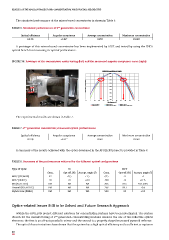
FiguRE 36. Prototype of the concentrator under testing (left) and the measured angular acceptance curve (right)
bench for measuring its optical performances.
Optical acceptance angle
100%
95%
) 90%
( %
c y n 85%
f f i c i e e 80%
e t i v l a e R 75%
70%
65%
60%
-1.2 -1 -0.8 -0.6 -0.4 -0.2 0 0.2 0.4 0.6 0.8 1 1.2
Misalignment (°)
METALCO MIRO 4 MIRROR "TIPO 3" MIRROR "TIPO 2"
MIRROR "METALCO M2702AG"
MIRROR "TIPO 1"
MIRROR "METALCO MS2"
Figure 36. Prototype of the concentrator under testing (left) and the measured angular acceptance
curve (right).
The experimental results are shown in Table 7.
The experimental results are reported in Table 7:
tABLE 7. 2 generation concentrator, measured optical performances
nd
Optical effciency Angular acceptance Average concentration Maximum concentration
82.5% ±0.51° 836X 2076X
A summary of the results achieved with the optics developed in the APOLLON project is provided in Table 8.
tABLE 8. Summary of the performances achieved by the different optical confgurations
type of Optic Si iii-v
Conc. Opt eff. (%) Accept. angle (°) Conc. Opt eff. (%) Accept. angle (°)
MBS (CPOWER) 42 78.5 ±1.5 625 77 ±1
3
MBS (UNIFE) 30 78 ±0.8 400 76 ±0.35
3
MB (ASSE-RSE) NA NA NA 836 82.5 ±0.5 aver.
Fresnel (SOLARTEC) NA NA NA 256 84.7 ±0.5
Hybrid lens (ENEA) NA NA NA 500 82 ±0.9
Optics-related issues Still to be Solved and Future Research Approach
Within the APOLLON project different solutions for concentrating systems have been investigated. The system
nd
chosen for the manufacturing of 2 generation concentrating modules involves the use of two refective optical
elements: the frst is an off-axis parabolic mirror and the second is a properly shaped truncated pyramid refector.
The optical characterizations have shown that the system has a high optical effciency and a suffcient acceptance
36
Figure 35. Sketch of the whole concentrator system (left) and a detail of the developed homogenizer
(right).
Results of the APolloN PRoject ANd coNceNtRAtiNg PhotovoltAic PeRsPective
The simulated performance of the mirror based concentrator are reported in Table 6.
The simulated performance of the mirror-based concentrator is shown in Table 6.
Table 6. Simulated performances of 2nd generation concentrator
Angular
tABLE 6. Simulated performances of 2 generation concentrator
nd
Optical Average Maximum
efficiency concentration concentration
acceptance
Optical effciency Angular acceptance Average concentration Maximum concentration
84.1% ±0.86° 847X 1500X
84.1% ±0.86° 847X 1500X
A prototype of this mirror-based concentrator has been implemented by ASSE and tested by using the ENEA
optical bench for measuring its optical performance.
A prototype of this mirror based concentrator has been realized by ASSE and it was tested by using the ENEA optical
FiguRE 36. Prototype of the concentrator under testing (left) and the measured angular acceptance curve (right)
bench for measuring its optical performances.
Optical acceptance angle
100%
95%
) 90%
( %
c y n 85%
f f i c i e e 80%
e t i v l a e R 75%
70%
65%
60%
-1.2 -1 -0.8 -0.6 -0.4 -0.2 0 0.2 0.4 0.6 0.8 1 1.2
Misalignment (°)
METALCO MIRO 4 MIRROR "TIPO 3" MIRROR "TIPO 2"
MIRROR "METALCO M2702AG"
MIRROR "TIPO 1"
MIRROR "METALCO MS2"
Figure 36. Prototype of the concentrator under testing (left) and the measured angular acceptance
curve (right).
The experimental results are shown in Table 7.
The experimental results are reported in Table 7:
tABLE 7. 2 generation concentrator, measured optical performances
nd
Optical effciency Angular acceptance Average concentration Maximum concentration
82.5% ±0.51° 836X 2076X
A summary of the results achieved with the optics developed in the APOLLON project is provided in Table 8.
tABLE 8. Summary of the performances achieved by the different optical confgurations
type of Optic Si iii-v
Conc. Opt eff. (%) Accept. angle (°) Conc. Opt eff. (%) Accept. angle (°)
MBS (CPOWER) 42 78.5 ±1.5 625 77 ±1
3
MBS (UNIFE) 30 78 ±0.8 400 76 ±0.35
3
MB (ASSE-RSE) NA NA NA 836 82.5 ±0.5 aver.
Fresnel (SOLARTEC) NA NA NA 256 84.7 ±0.5
Hybrid lens (ENEA) NA NA NA 500 82 ±0.9
Optics-related issues Still to be Solved and Future Research Approach
Within the APOLLON project different solutions for concentrating systems have been investigated. The system
nd
chosen for the manufacturing of 2 generation concentrating modules involves the use of two refective optical
elements: the frst is an off-axis parabolic mirror and the second is a properly shaped truncated pyramid refector.
The optical characterizations have shown that the system has a high optical effciency and a suffcient acceptance
36